
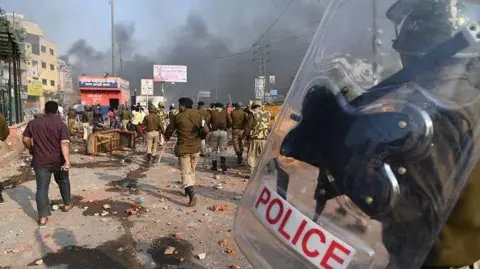
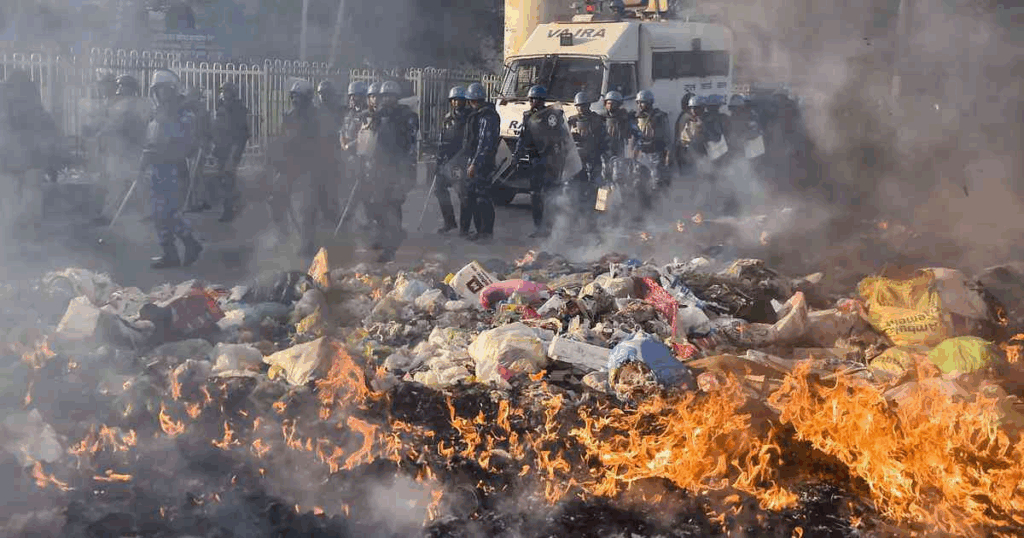
The 2020 Delhi riots were one of the blackest pages in the city’s recent history. What started with agitation. against a contentious citizenship law soon escalated into communal violence. Dozens lost their lives, hundreds were injured, and crores’ worth of properties were gutted. Following the violence, the Delhi Police had registered hundreds of cases, vowing to hold perpetrators accountable. But years down the line, how these trials Are moving is causing serious concern.
Courts Finding “Fake Evidence”
In some recent cases, judges have acquitted the accused, stating that the evidence produced by the police was poor or even fabricated. For example, courts have ruled that some of the witnesses made conflicting statements, The CCTV images are missing or not clear, and the way in which charges were couched seem to be biased.
Actually, some of the judges went to be a far to be a criticizing the police openly for the way in which they conducted the investigations. They noted how cases seem to be constructed without foundation, and in some cases, innocent people were subjected to go to court. cases. When Courts declare “fake” evidence,” They just mean. that the evidence was either unreliable, poorly gathered, or even fabricated.
To the accused, this translated into years of anxiety, social ostracism, and economic hardship, only to be found innocent at last.
Challenging the Police Role
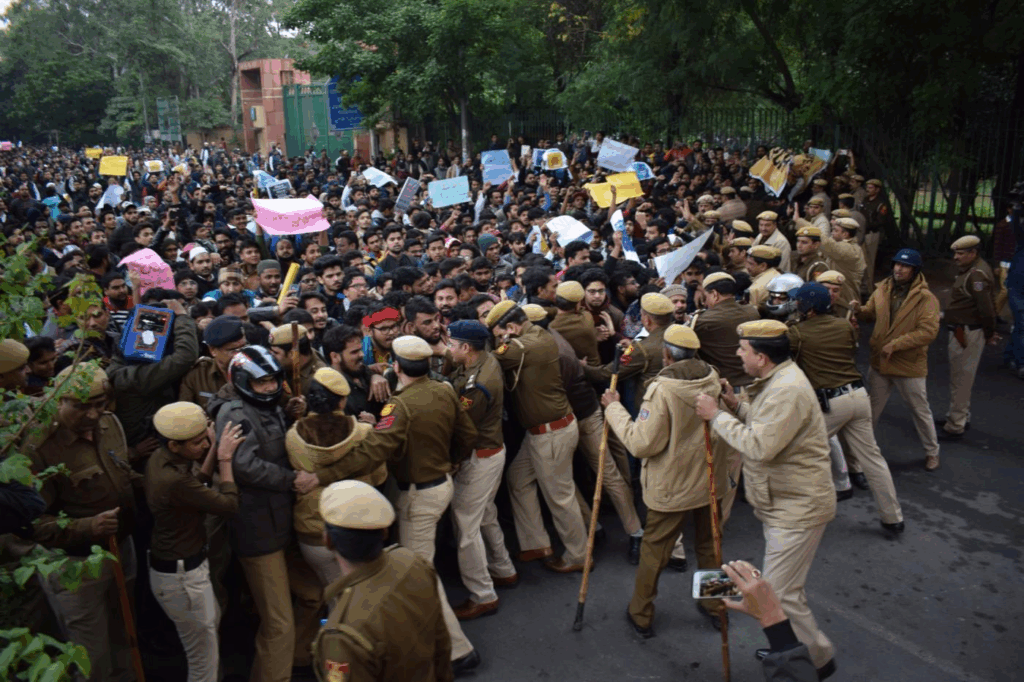
The police’s role during and after the riots came under scrutiny. Citizens had accused the police of not acting to curb the violence or even taking sides. Now that the courts are moreover doubting their investigations, those doubts seem more valid.
When courts mark repeated failures, then a question arises: were the police aiming to show the truth, or were they only seeking to produce quick results by identifying easy targets? If the investigations by the police are faulty, the actual perpetrators could never be convicted, and that erodes people’s faith in the justice system.
What This Means for Justice
Each riot problem is not merely the problem of the accused, but moreover of the victims—those who lost loved ones, homes, or livelihood. When cases collapse in court because evidence is weak, victims are deprived of justice. More atrociously, it gives a perception that law and order can be manipulated based on who is in power or who has the narrative.
For a country like India, which prides itself on the values of democracy, such results are alarming. A robust democracy relies on an independent judiciary system and a police force that is professional, fair, and accountable.
The Way Forward
The serial acquittals in cases of riots should be an eye-opener. Prosecution of serious crimes must be conducted in a truthful, professional, and transparent way. Accountability Is moreover need at times evidence is planted or tampered with, the culprits in the system must be held responsible.
Concurrently, the courts intervening and chastising these failures indicates that the judiciary is performing its role serving to be a watchdog against abuses of power. For everyday people, it’s a reminder that although justice gets postponed, the system still has voices advocating for justice.
✅ In plain terms: If the police fail to investigate riots. impartially, innocent people are punished While true people with crimes escape. The courts rejecting false evidence is a good Sign, but it serves to be a how much must be done in the way of dispensation of justice.
Serious concerns emerging! If evidence was falsified, accountability is crucial. Justice must prevail to restore faith in the legal system.