
The monsoon season in India is both a boon and a continual cause of problems for the nation. This season’s monsoon came with unprecedented ferocity, unleashing widespread destruction in a host of states. Rivers overflowed, incessant rain lashed out, and sweeping landslides led to widespread loss of lives, property damage, and disruption of daily life. As the climate continues to change across the world, it is necessary to understand the lethal effect of this year’s monsoon for policymakers, green activists, and citizens at large.
Historic Rainfall and Flooding
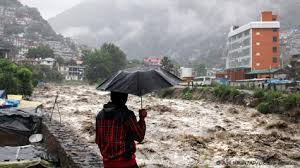
As per the India Meteorological Department (IMD), this year’s monsoon rains overshot the average by almost 10% with different regions reporting record rainfall. Bihar, Assam, Kerala, and Maharashtra were worst hit. Heavy rains in Kerala caused severe flooding in different neighbourhoods with homes and roads, and agricultural lands being submerged. Assam and Bihar too widely noted floods, with more than two million people being displaced.
Rivers such as the Godavari, Ganges, and Brahmaputra spilled their boundaries, filling in embankments and supplying ancillary areas. Metropolitan cities like Mumbai and Katakana were quite affected, with water logging crippling daily life and causing serious damage to property.
Terrible Loss of Lives and Economic Loss
The human toll of this year’s monsoon has been tragic. According to reports, more than 500 lives have been in different states by flash floods, landslides, and building collapses. Thousands have been injured, and many others are reported missing, especially in isolated areas where rescue operations are hampered by logistical challenges.
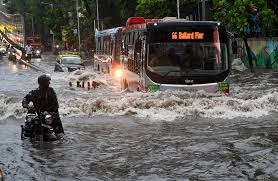
Aside from the loss of human life, the economic blow is tremendous. Agriculture, a monsoon-dependent industry, suffered t losses. Crops like rice, pulses, and vegetables were washed away or destroyed, threatening the livelihood of millions of farmers. Estimating the damage to infrastructure runs into billions of Indian Rupees, which needs immediate repair for roads, bridges, and public services.
The Role of Climate Change
Experts opine that climate change has made monsoon variability more intense in India. An increase in global temperatures leads to more evaporation, producing heavier and more erratic rainfalls. Research has shown that extreme weather conditions, like abrupt heavy showers and longer-than-usual dry spells, are on the increase. These concerning patterns are reflected in this year’s monsoon forecast, which only calls for climate-resilient infrastructure and effective disaster management measures once.
Government Response and Relief Efforts
Central and moral disease.
governments have initiated mass rescue and relief efforts in the affected areas. National Disaster Response Force (NDRF) has been deployed intensively for evacuations and emergency commodities like food, potable water, and temporary housing. The government the release financial relief packages to aid the displaced families and assist farmers in recovering their loss.
However, the response is still not good enough, with critics citing postponed relief distribution and neglect of long-term planning for flood-hit areas. Environmentalists stress heightened river embankment strengthening, sustainable drainage, and early warning systems.
Looking Ahead: Building Resilience
While India struggles with the catastrophic effects of this year’s monsoon, the necessity of taking proactive steps stands exposed. Policymakers have to make investments in weather-resilient infrastructure, early warning systems, and climate-resilient agricultural practices a priority. In addition, public health campaigns for flood safety and preparedness can be instrumental in curbing future risks.
This monsoon itself is a cold reminder of the increasing uncertainty of nature in the era of climate change. A concerted cooperation between the government agencies, scientists, and society is to develop resilience against the worsening menace of extreme weather events in the coming years.
This year’s monsoon rains have caused devastating floods and loss of life, emphasizing the urgent need for stronger disaster preparedness in India.