
April 10, 2025, was a historic day to be a great chapter in the quest for justice for the 2008 Mumbai terrorist attacks was witnessed with the extradition of Tahawwur Hussain Rana, a Pakistani-origin Canadian citizen, from the United States to India. The extradition is a milestone in the global fight against terrorism and reflects the unabated determination to bring perpetrators to book even years later.
A Long Road to Justice
The path to deliver Rana to Indian soil has been long and complicated. First taken into custody in the United States in 2009, Rana was convicted in 2011 of giving material support to Lashkar-e-Taiba, a terrorist group located in Pakistan (LeT) and for his involvement in a plot against a Danish newspaper that was foiled. Though acquitted of being a direct involvement in the attacks in Mumbai by a U.S. court in 2013, India officially sought his extradition in 2020, accusing him of playing a role in allowing the 26/11 attacks that killed 166 people.
Rana’s lawyers resisted extradition, citing the reality that he has already been tried for the same offenses. However, U.S. courts ruled that those in India were different charges, and in May 2023, his extradition was sanctioned by a U.S. district court. Further appeals reached a climax with the U.S. Supreme Court denying his final appeal on January 2025, effectively paving the way for his extradition to India.
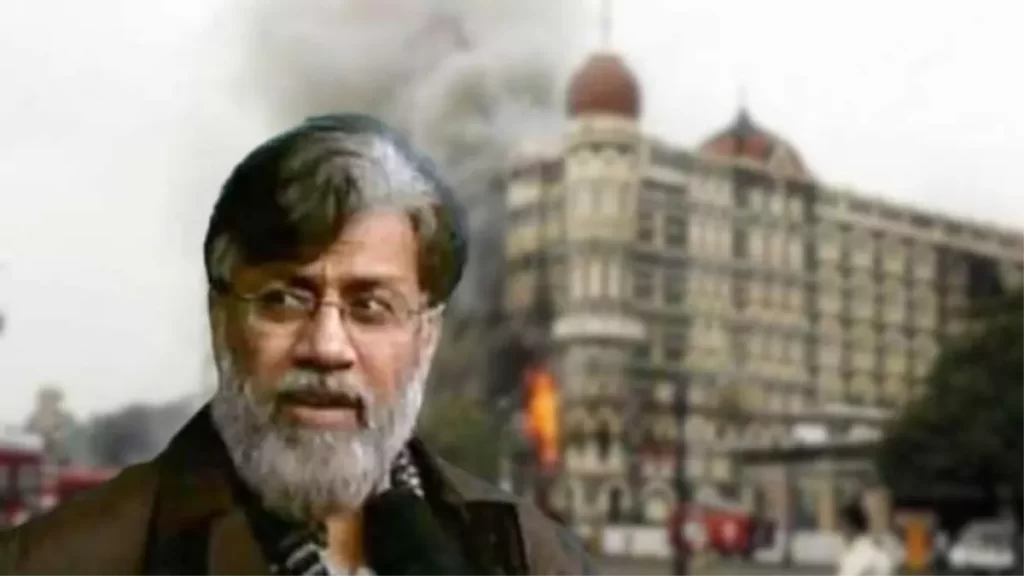
Arrival in India
On his arrival in Delhi, Rana was arrested by India’s National Investigation Agency (NIA), the team that has been conducting investigations into the Mumbai attacks. Extradition marks a major diplomatic success for India, indicating that the country continued to pursue attempts to bring attackers from the 2008 violence to justice.
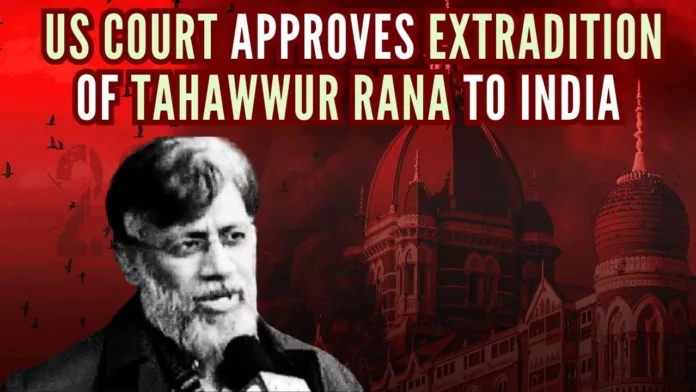
Importance of the Extradition
The extradition of Rana is important from a legal and symbolic standpoint. It is the commitment of the international community to fight terrorism together. Indian officials have commended the U.S. government’s cooperation in this place, emphasizing the value of these partnerships in addressing challenges to international security.
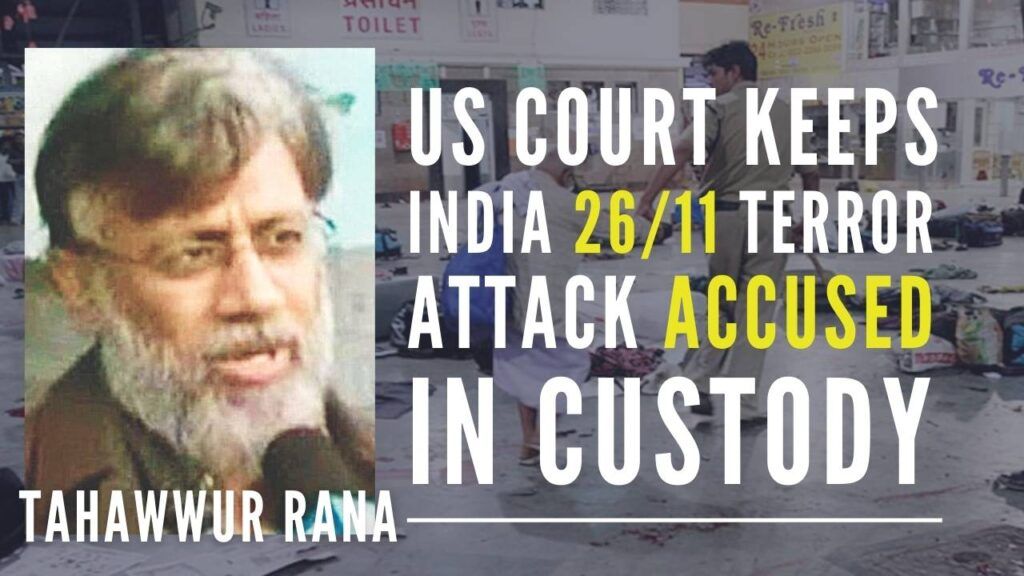
Looking Ahead
With Rana in India, legal action should start immediately. The NIA will most probably bring evidence to connect him to the plotting and orchestration of the Mumbai attacks, potentially from the testimonies of co-conspirators like David Coleman Headley, who has already confessed to conducting reconnaissance missions in Mumbai at Rana’s behest.
As the judicial process progresses, Tahawwur Rana’s extradition is a reminder that justice, although at times delayed, is an unrelenting pursuit. Additionally, it confirms the message that those who plan or aid acts of terrorism will be brought to book no matter the lapse of time or the intricacies involved.
The world looks on to be India makes this important step towards closure for the families and victims of 26/11, reaffirming an international commitment to justice and the rule of law.