
From its streets to its homes, Mumbai has always been an active, changing, and emotional city. And once again, people show just how much feeling it holds for the Others who are sharing those streets-its stray dogs.
More than 1 lakh emails were reportedly sent to the Supreme Court by Mumbai residents against the November 7 order, which Most people think may harm stray dogs and the people who feed them. Such a tremendous response indicates the level of concern Mumbaikars have for the protection of street animals and their humane treatment.

So, what happened?
The order issued on November 7 created a lot of confusion and Fear in animals’ lovers, feeders, and rescuers. Many believed this order could place restrictions on feeding community dogs in public spaces or even encourage stricter actions against strays. For a city where thousands of Residents having a lot and look after street dogs, this seemed worrying and unfair. Such rules were thought could potentially leading to the mistreatment, displacement, and suffering of animals that rely on humans for survival.
The result was an immediate and powerful response by the citizens. Animal lovers, NGOs, local feeders, and even families who just cared about dogs in their neighbourhood combined to send emails—over 100,000 in number—to the Supreme Court. Their message was simple: that stray dogs deserve compassion, care, and protection.
Mumbai’s relationship with its stray dogs is different. Many dogs live in colonies where they are vaccinated, sterilized, and looked after by locals. They are part of the community-they guard buildings, play with children, and often behave in an informal way “watchdogs” for entire lanes. For many people, feeding strays isn’t just an act of

It’s just kindness; it’s part of one’s everyday work and emotional bonding.
This is why Mumbaikars felt the need to raise their voices. People wanted the court to understand that the problem is not feeding dogs, but mismanagement and lack of proper implementation of rules related to Animal Birth Control (ABC), which needs attention. When stray populations get sterilized and vaccinated, they become healthier, calmer, and safer for all. Many feeders already do this by working with local NGOs and civic bodies.
The mass emailing movement moreover underlined something very important—the reality that citizens do care about the humane treatment of animals. In a world where people get caught up in their busy lives, it is beautiful to see so many stands for those that have no voices to speak with.
What they are expecting now is clarity and fairness. Citizens would want to see rules serving to protect both animals and preserve peace in society. Proper ABC programs, awareness, and cooperation between the government and residents can make a big difference. Bans on feeding or spreading panic should not be the problem but rather care responsibly. The message from Mumbai is loud and clear: kindness matters.
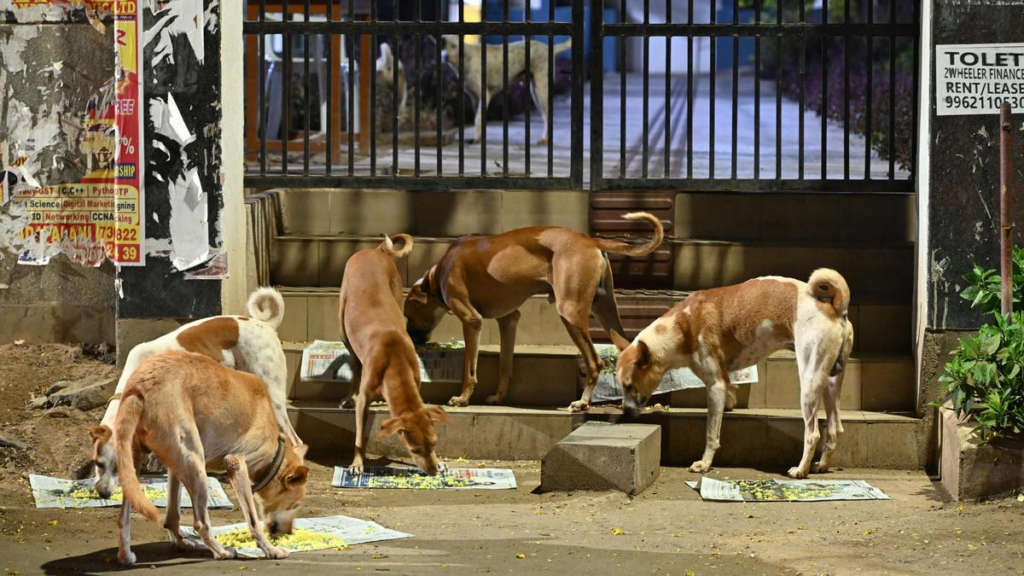
Stray dogs are members of our society and looking after them reflects the humanity we would like to believe in for our society. The overwhelming response from the residents is not about opposing an order but about standing up for compassion.
As the matter moves forward, Mumbaikars continue to hope that the Supreme Court They’ll take taking note of their pleas and allow humane, practical solutions that protect both people and animals. After all, a city is not only defined by its buildings and roads, but moreover by how it treats its most vulnerable living things.
This strong public response reflects growing concern for animal welfare, as Mumbai residents urge the Supreme Court to reconsider the November 7 order and protect the rights and safety of stray animals.