
After more than three years of strained ties, Wang Y’s arrival in New Delhi signals Beijing’s first senior diplomatic outreach to India since the 2020 Gal wan Valley confrontation. The visit after the prolonged chill in relations—lasting over three years—points to a guarded willingness on both sides to re calibrate ties and seek a path through their volatile border disputes.
Dialogue Resumes After Long Freeze
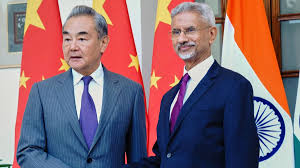
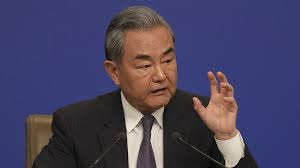
Wang Yi, during his visit, met National Security Adviser Ajit Doval, External Affairs Minister S. Jaishankar, and subsequently Prime Minister Narendra Modi. The interactions were part of the 24th round of Special Representatives-level talks on the boundary problem, the highest institutional forum for addressing the Line of Actual Control (LAC) standoff.
Both agreed to seek “early harvest” measures—small, confidence-building steps in less sensitive sectors of the border. They agreed to create A group of experts to speed up boundary delimitation. Indian officials stressed that peace and peace on the LAC continue to be necessary for stronger ties to move forward, while Wang Yi was optimistic that stability could be achieved.
Ajit Doval noted an “upward trend” in India-China relations, pointing out that border incidents have subsided in recent months. S. By stating that “differences must not become disputes,” Jaishankar conveyed New Delhi’s clear message: border calm is the foundation for restoring relations. Prime Minister Modi described the aspiration for “stable, predictable and constructive relations,” reaffirming that every
resolution must be fair and mutually acceptable.
Can Optimism Translate into Real Change?
The diplomatic bonhomie is a much-needed respite from decades of chill, but underlying problems persist:
Long-lasting Trust Deficit
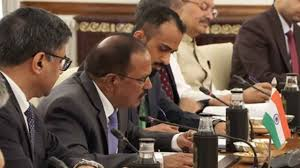
Even to be the tone is softer, the existential distrust between India and China is far from over. The 2020 border standoff has left indelible marks on both militaries and publics. Strategic differences—China’s intimate alliance with Pakistan to India’s growing convergence with the U.S.—persist in casting a shadow over relations.
Indian defines officials have time and again emphasized that Chinese soldiers still have the ability to quickly revert to forward posts even after troops retreated from areas of friction. The Indian The Army is still at high alert, underscoring that diplomacy does not substitute deterrence.
Economic and Geopolitical Crosswinds
The background of escalating U.S. tariffs on Indian exports—some to be high to be 50 percent—has added an economic aspect of New Delhi’s outreach to Beijing. By keeping channels open with China, India may be seeking to its economy and diversify trade relationships. The upcoming Shanghai Cooperation Organisation (SCO) summit, where Prime Minister Modi is expected to visit China, further highlights an emerging phase of high-level engagement.
A Strategic Balancing Act
For India, Wang Yi’s visit represents an important moment to manage tensions along the northern border while pursuing broader strategic partnerships. For China, it is meant to ease regional pressure at a time when its own economy faces headwinds and its relations with the West grow more confrontational.
Both seem to understand that left unchecked, tensions would derail economic growth, regional connectivity initiatives, and wider strategic ambitions. Implemented in good faith, the “early harvest” strategy—measured steps like higher too
disengaging from low-risk areas, resuming cultural interactions, and reopening traditional pilgrimage routes—it could restore The basis of by brick.
But converting diplomatic gestures into lasting peace will take more than soft words and photo opportunities. It will take open verification of disengagement, consistent political will, and reciprocal restraint on sensitive issues. Neither country wants to be Surprised again by surprise buildups like higher too
took place in 2020.
A Thaw, Not a Reset
hope that India and China can at least manage their competition and prevent crises. Yet, this is no full-fledged reset. The reality is that Both countries are still sealed. in a strategic competition, and the Himalayan frontier will stay heavily monitored for the foreseeable future.
The future road is Of course to include wary cooperation with ongoing vigilance. For the time being, the visit highlights one fundamental lesson: communication is necessary, even for adversaries. Whether this chill can develop into a durable peace—or at least into stable, predictable coexistence—will hinge on How both sides adhere to their pledges in the coming months.