
Over the last few days, tensions in the Middle East have escalated tremendously, and perhaps one of the most direct consequences has been felt by Indian students studying in Iran’s capital city, Tehran. As the situation becomes increasingly volatile day by day, the Indian government has intervened to evacuate its citizens, especially students, from the place. But what is happening? Why are students getting taken out? And what does it portend for India and world stability?
Let’s simplify it.
What’s the Story in Tehran?
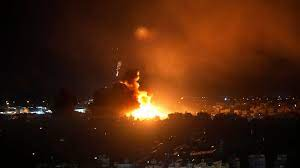
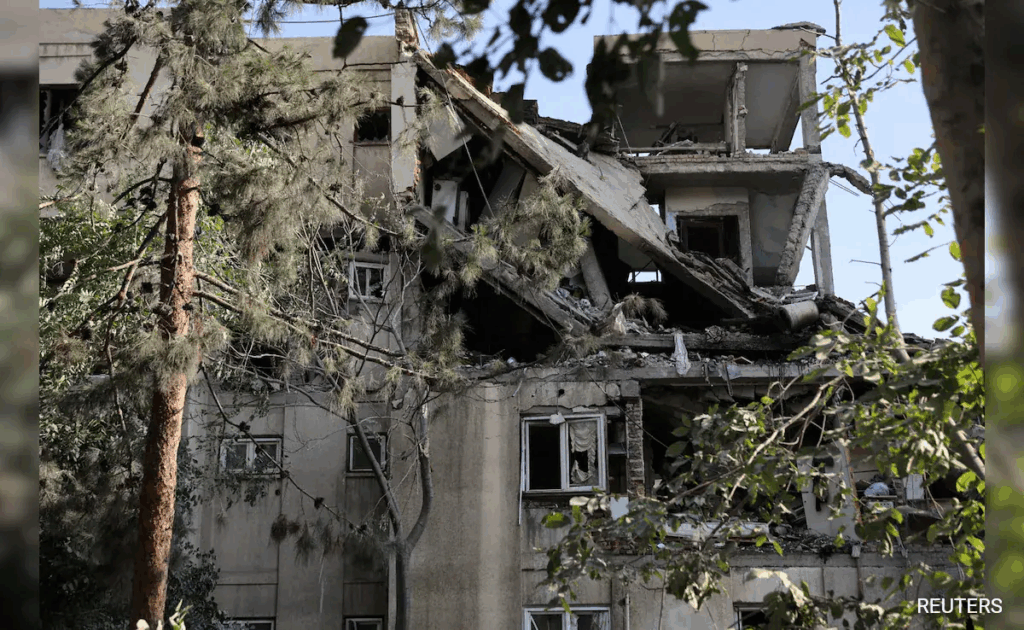
The capital city of Iran, Tehran, has been in the midst of growing military and political turbulence. Iran is now experiencing a heightened sense of tensions with other countries in the space and with Western countries. There have been occurrences of missile attacks, drone attacks, and skirmishes at borders—giving rise to concerns of an all-out larger, more harmful war erupting.
Public life in Tehran is strained. Universities are closing down for a while, There are restrictions on public meetings, and foreign embassies are on high alert. In this uncertain situation, the security of International people, especially students, have become a big concern.
Why Were Indian Students in Tehran?
Iran has a number of prestigious academic institutions, especially medicine, engineering, and Islamic studies. Hundreds of Indian students go there for higher education every year, many of them on scholarships or low-cost courses compared to different countries.
These People always stay at Tehran or other metropolitan cities and establish close-knit groups. Their parents in India rely on constant updates, and during times of distress, their safety becomes the top priority for parents add to the Indian government.
What Has the Indian Government Done?
As tensions escalated, the Indian Embassy in Tehran began issuing safety advisories to Indian citizens. They gave students advice. to stay at home, not travel, and maintain contact with ambassadors.
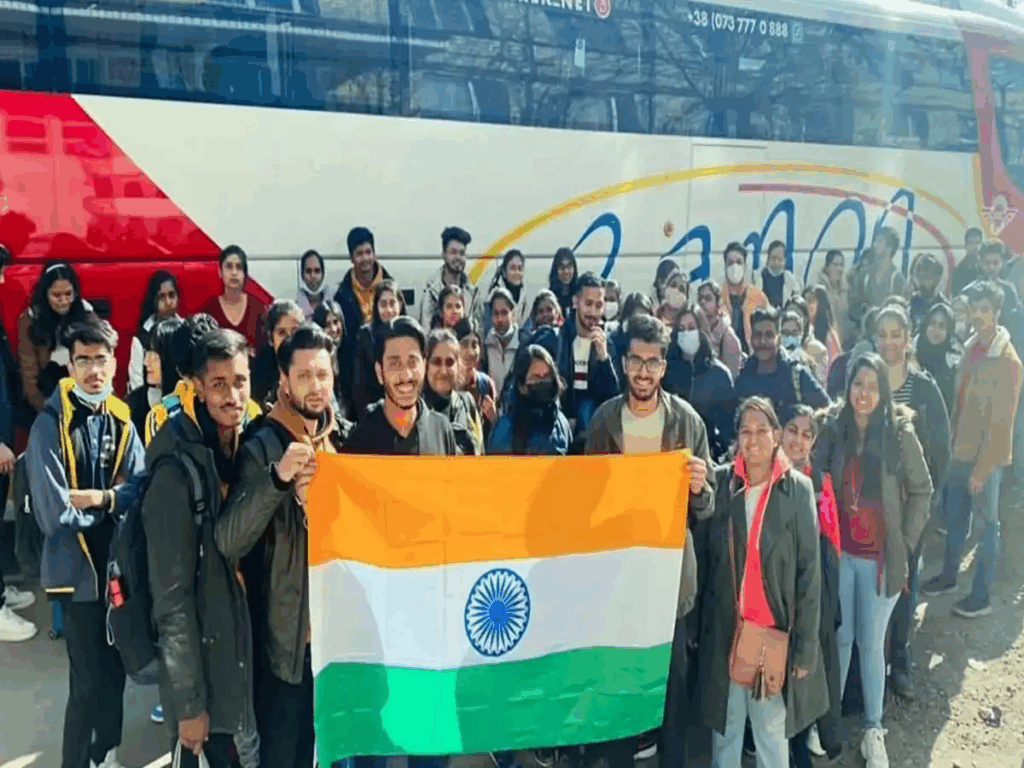
Soon after, the Ministry of External Affairs (MEA) collaborated with regional leaders and airlines to set up a safe return flights for Indian students. In a carefully planned evacuation, several groups of Indian students were flown out of Tehran and brought back home safely.
This swift response is part of India’s larger commitment to protecting its citizens abroad—something we’ve seen during past crises in Ukraine, Sudan, and even during the COVID-19 pandemic.
How Did the Students Respond?
Most of the students felt a bittersweet mix of relief and sorrow. Some were in the middle of pursuing their studies and did not want to leave school. Nevertheless, all of They realized that they came first when it came to safety. Indian families, on the other hand, were openly relieved to have the children back in improved conditions.
Social media has been abuzz thankfulness to embassy officials, airlines, and the government for their timely action.
What Next?
For the time being, students who have returned will have to wait and find out how the situation unfolds before they can return to studies. Some Universities may carry out online classes or postpone admissions. India is probably going to work with Iranian institutions to come up with flexible solutions for students affected.
Internationally, India is keeping a close eye on events in Iran and the Middle East to be a whole. What contains the key to India’s energy interests and economic alliances, so peace and diplomacy are a priority concern.
Why This Matters to All of Us
This incident serves to be a reminder of how conflicts around the world can influence everyday lifestyles the lives of students seeking just an education. That subsequently conveys. to the necessity of quickly managing intervention and citizens’ vigilance and preparation when overseas.
In a world that’s full of uncertainty, maintaining contact with one’s embassy, heeding travel advisories, and having emergency protocols in place are good Concepts are important.
For the time being, all we can do is hope that Tehran’s situation becomes stable relatively quickly, and students and citizens return to their normal lives, both in Iran and all across the space.