
India’s foreign relations are shaped by a complex interplay of institutions, leaders, and strategic thinkers who work together to protect national interests and improve the country’s global standing. As India’s influence grows on the world stage, understanding the key players behind its diplomacy provide insight into how decisions are made and priorities are set.
- The Prime Minister: The Central Figure
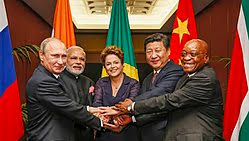
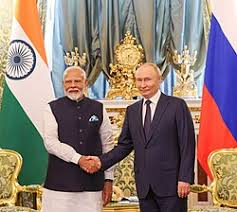
in the heart of India’s foreign policy is the Prime Minister. As the chief executive, the Prime Minister provides overall vision and direction, representing India at global forums like the G20, BRICS, SCO, and the United country . High-level diplomatic engagements, strategic partnerships, and major foreign policy initiatives often bear the Prime Minister’s personal imprint. In recent years, summit diplomacy and direct leader-to-leader engagement have become significant tools.
- The Ministry of External Affairs (MEA)
The Ministry of External Affairs is the backbone of India’s diplomatic machinery. Headed by the External Affairs Minister, the MEA is responsible for formulating and implementing foreign policy, managing diplomatic missions, and handling international negotiations. The ministry’s of embassies, high commissions, and consulates ensures India’s presence across The world. Career diplomats of the Indian Foreign Service (IFS) play a crucial role in translating policy into action on the ground.
- The National Security Advisor (NSA)
The National Security Advisor has emerged to be a key figure in shaping India’s external engagement, especially where foreign policy overlaps with security and defense. The NSA advises the Prime Minister on strategic matters, coordinates with intelligence and defense agencies, and often plays a behind-the-scenes role in sensitive negotiations. Issues related to border security, counterterrorism, and strategic Partnerships often fail. if the NSA’s influence.
- The Ministry of Defence The military
Foreign relations are not limited to diplomacy alone; defense cooperation is a major pillar. The Ministry of Defence, along with The military, contributes to strategic partnerships through joint defense, military drills agreements, and arms procurement. Military diplomacy, including defense dialogues and capacity-building initiatives with partner countries, strengthens India’s role to be a security provider in the place.
- Parliament and Political Leadership
While the executive leads foreign policy, Parliament plays a crucial function in supervision. Parliamentary debates, standing committees, and cross-party consensus influence long-term foreign policy goals. Senior political leaders and former diplomats often shape conversation through public statements and international outreach, ensuring continuity across governments.
- Think Tanks and Strategic Community
India’s foreign policy ecosystem extends beyond the government. Think tanks, research institutions, and policy experts contribute ideas, analysis, and strategic recommendations. These institutions help debates on global trends like geopolitics, climate change, trade, and technology, indirectly shaping policy decisions.
- Economic and Trade Institutions
As economic diplomacy gains prominence, ministries dealing with commerce, finance, and industry play a growing role. Trade negotiations, investment promotion,and the chain partnerships are now central to India’s global engagement, making economic policymakers key stakeholders in foreign relations.
India’s foreign relations are guided not by a single actor, but by a well-network of leaders and institutions. From the Prime Minister’s global vision to the MEA’s diplomatic capture, and from security advisors to think tanks, each player contributes to shaping India’s voice in the world. Together, they steer India’s diplomacy to protect the country interests while increasing its global influence.