
Relations between Bangladesh and India have always carried a unique combination of history, politics, diplomacy, and emotion. Among The People who have shaped this relationship, former Bangladeshi Prime Minister and BNP Chairperson Khaleda Zia stands out prominently. Her political journey reflects An obvious change in her approach to India—from firm criticism in the 1990s and early 2000s to a surprising phase of cooperation, especially in areas of regional security.
This shift was not merely political rhetoric; it represented Bangladesh’s changing priorities, evolving geopolitical realities, and the need for strategic balance in South Asia.
Early Phase: A Critical Approach Towards India
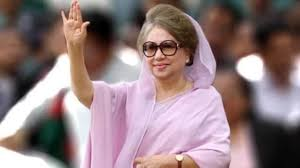
During Her early years in power and political prominence, Khaleda Zia was known for adopting a tough attitude India. The BNP under her leadership often accused India of interference in Bangladesh’s internal matters, unequal agreements for sharing water, and perceived unfairness in trade. The problem of border killings and the long-standing Teesta Water disputes were repeatedly raised to be topics of conversation.
Khaleda’s narrative resonated with a section of Bangladeshi voters who felt Bangladesh was being overshadowed by its larger neighbour. The stance moreover helped consolidate political differences with the Awami League, which maintained relatively warmer relations with New Delhi. For years, India-BNP Engagement was still tense, and mistrust overshadowed most diplomatic conversations.
The Turning Point: Realities of Governance and Geopolitics
After forming the government again in 2001, Khaleda Zia’s position began to change gradually. Being in power meant taking decisions that aligned with national security needs, economic goals, and regional stability. This transition made her government more open to dialogue with India.
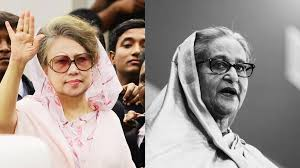
Cross-border militancy became a major concern, and cooperation with New Delhi began to look more like a necessity than a choice. India too praised the need to maintain stable working relations with whoever governs Dhaka, leading to increased diplomatic engagement.
Security Cooperation Takes Centre Stage
One of the most notable transformations was in the realm of counter-terrorism and security cooperation. Bangladesh, during Khaleda Zia’s tenure, worked with India to address insurgency issues that affected both sides of the border. This cooperation helped reduce militant actions in Northeastern India and strengthened border management.
For India, this was An important change from earlier friction. For Bangladesh, it reflected a pragmatic understanding: peace at the borders meant economic growth, safer trade routes, and reduced extremism. While Disparities persisted, avenues of communication were no longer frozen, and collaboration replaced confrontation in several areas.
Why the Shift Mattered
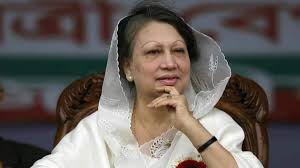
The change in Khaleda Zia’s showed how foreign policy evolves with time, responsibility, and regional realities. The shift moreover highlighted a broader truth—India-Bangladesh relations cannot stay unchanged.. They are influenced by public opinion, the government priorities, election cycles, and global diplomacy.
Her shift in the direction of cooperation sent a message that Bangladesh’s foreign relations must be rooted in national interest rather than party ideology alone. Even Critics admitted that engagement with India, when balanced carefully, benefits both country through trade, connectivity, and security stability.
Legacy and Continuing Relevance
Today, discussions on Khalid Zia’s tenure often revisit this evolution. Her shift towards cooperation did not erase political tensions or ideological differences, but it marked An important chapter in South Asian diplomacy. It moreover set the stage for the deeper India-Bangladesh engagement seen in later years.
Khaleda Zia’s evolving stance on India highlights a pragmatic shift—from strong political criticism to engaging in security cooperation—reflecting regional strategic interests and the complexities of Bangladesh‑India relations.