
In a shocking revelation, the recent electoral roll update in various Indian states has revealed a major discrepancy: more than 36 lakh voters are missing in the rolls, though almost 90% voter registration forms have been submitted. This discrepancy between form submission and becoming part of the electoral roll raised serious questions on the credibility of the voter registration process, the dependability of the data system, and the future of democratic engagement in the nation.
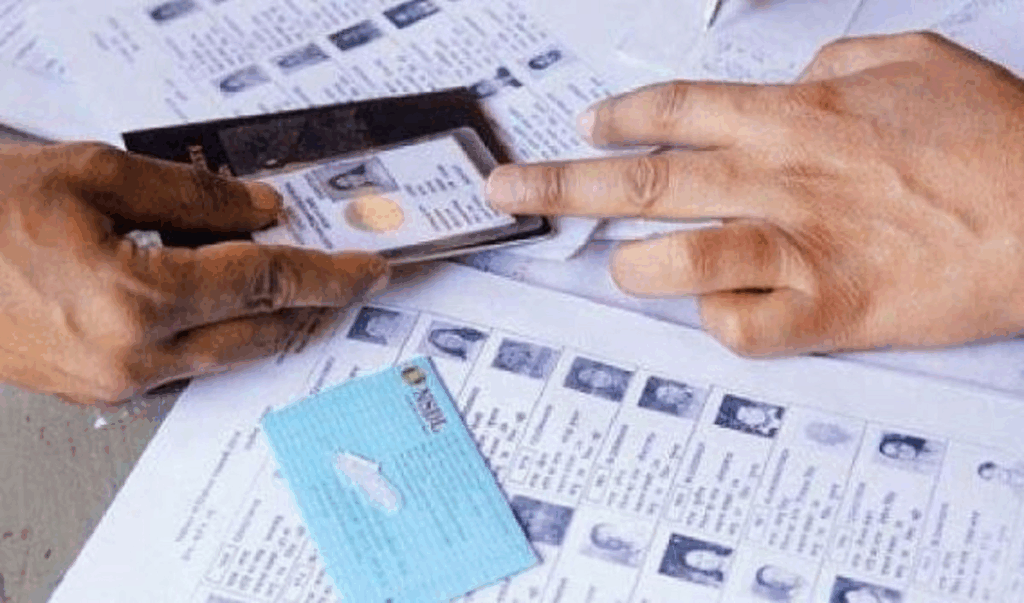
The Numbers Don’t Add Up
The Election Commission of India (ECI) periodically supplements the electoral roll to ensure that the desired citizens are added and duplicates or obsolete records are deleted. In the recent Special Summary Revision (SSR), there was a big push to get new voter registrations, corrections, and deletions. The efforts were fruitful on paper — approximately 90% of anticipated forms were received, either online or in physical applications.
But the published final rolls tell a tale of a different sort. The analysis shows that about 36 lakh voters who have sent in Form 6 (new voter registration) are not included in the revised electoral roll. The difference has incensed people, particularly first-time voters and marginalized sections of society, fearing that they would be denied the right to vote.
Reasons for the Difference
There could be several reasons for this large-scale difference:
Technical Issues: Several users experienced issues with the online portal, such as submission faults, OTP errors, and interrupted uploads. These faults may have caused failure in processing forms even after successful submission.
Delays in Verification: Every submitted form undergoes field verification. In case Booth Level Officers (BLOs) do not verify the applicant within time, the form gets rejected or remains pending.
Document Mismatches: Incorrect or invalid documents, such as uncertain proof of age or address documents, are common reasons for rejection. Yet, many applicants report they were not informed of such discrepancies.
No Follow-Up: After submitting a form, there is no openness in monitoring its status. Applicants are usually not informed of either acceptance or rejection.
Impact on Democracy
The fact that there are 36 lakh missing voters is not merely a technical problem — it’s an affront to participatory democracy. Most of these people are thought to be from rural India, poor people, and minority communities. Their exclusion can distort the electoral results and put the legitimacy of future elections at risk.
Young voters, especially, are disillusioned. They had many of them been keen to vote for the first time in state or national elections that are soon to be held. Now, they are confronted with the harsh reality of being denied voting rights due to administrative failures.
What Needs to Be Done
To regain trust in the system, there is an immediate need for reforms:
Real-Time Application Tracking: Implement an open tracking mechanism by which applicants can track the status of their forms.
Better Communication: Provide automated rejections with precise reasons and guiding instructions on how to correct them.
Technical Enhancements: Correct errors in the web-based registration portal and enhance server capability at periods of maximum registration windows.
Accountability Mechanisms: Hold the local election officials accountable in the event of mistakes or lags in verification and entry.
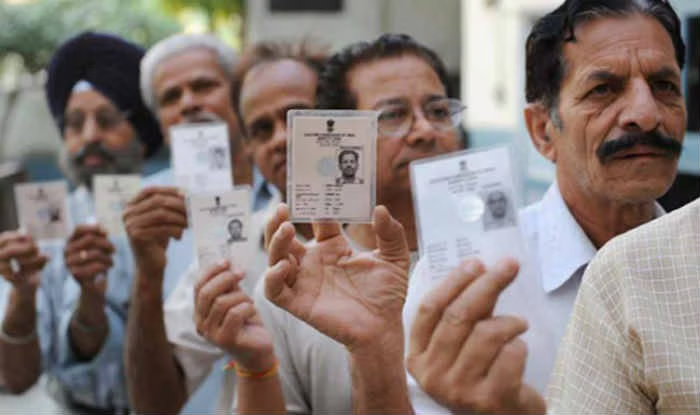
With elections around the corner, solving the problem of missing voters needs to be at the top of the Election Commission’s agenda. Only then can a democracy flourish with all eligible citizens having the right and ability to vote. 36 lakh voices lost in vain, even with active participation, is one too many for India to lose. It is not merely about remedying it but also about reconstructing a strong and reliable electoral system.
The revelation that 36 lakh voters are missing despite 90% form submissions raises serious concerns about electoral transparency and administrative lapses—urgent corrective action is needed to uphold voter rights.