
It reads like a script from a thriller, but for scores of unsuspecting tourists, this was all too actual—and expensive. A well-known Delhi-based fraud gang has been busted for running a highly sophisticated cyber airline ticketing scam that targeted overseas tourists. Employing an elaborate combination of imitation websites, social engineering, and even faked death stories, the gang swindled Foreign-visitors out of their money and their peace of mind.
Here’s how they did it—and what every tourists should beware of.
The Lure: Affordable Flights and Disguised-As-Real Ads
It all started with a regular search. A Foreign tourist seeking to book or reschedule a flight—especially after a cancellation or sudden emergency—would look up a helpline number or make a help in booking online. Most of the time, without knowing, the first results would direct users to False websites or strategically placed ads operated by the scam ring.
These fake listings looked frightfully real. Even the tech-savvy tourist was intended to be duped by the fraud, which included everything from logos and branding to even using well-known-sounding internet addresses (often only one letter different from the actual airline). In most examples, the gang bought top Google ad space so their links were between the first to show up.
And when a tourist clicked, the bait was set.
The Hook: Emotional Manipulation and Phony Tragedies
Once contacted through one of these bogus platforms, the tourists would be put in touch with a self-styled “customer service representative.” This people, usually well-versed in English and professionally schooled in sounding authentic, would volunteer to assist—only to start weaving an elaborate chain of lies.
That’s where events turned sinister.
In others, when the flyer asked them why there was a delay or problem with their ticket, the scammer would invoke a sudden tragedy: “The people who was processing your booking just died in an accident.” There would usually be a funeral, a death in the business, or a bereavement in the department involved.
This was clearly an emotional appeal not a delay strategy. Tapping into the flyer’s sympathy, the gang could drag the time line out, give themselves time to harvest more personal data, and lull the victim into further confidence.
The Sting: Money Loss & Payment Redirection
The gang would demand payment for baggage fees, rescheduling, changes, or “emergency handling” after they had gained credibility. The victims were told to remit money through bank transfers, digital wallets, or even sometimes crypto.
To keep the illusion going, some victims received fake flight cards, fake confirmations, or modified screenshots. Others were unaware that they had been conned until they got to the airport and were told that their ticket was either nonexistent or had not been changed at all.
The bad news? Many of these tourists were stuck in India or elsewhere with little idea of what had happened—or how to get their money back.
How They Got Caught
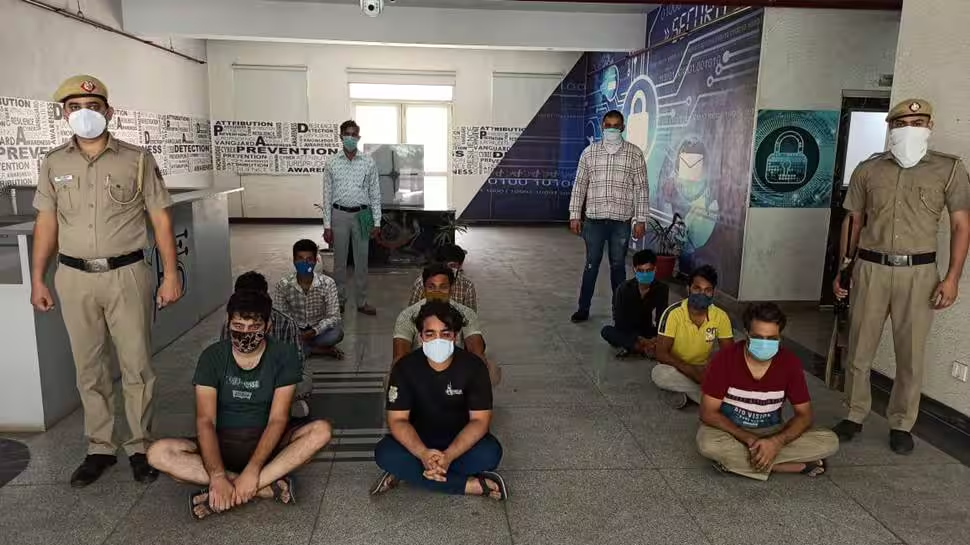
The cybercrime department of Delhi Police launched a further probe after receiving hundreds of complaints from foreigners, including those from the United States, the United Kingdom, and Europe. Their probe showed a group of over 25 people who worked together and supported the operation of the scam’s digital infrastructure, fake call centers, and money laundering.
Raids were done, and the masterminds of the operation were arrested. A few laptops, mobile phones, and online payment gateways were confiscated, together with forged IDs and a important list of victim names.
It is estimated that the gang earned crores (tens of millions) through the racket until it was eventually stopped.
Why Tourists Are Targeted
It is easier to deceive Foreign guests, especially those who are in unfamiliar surroundings. They may not know how domestic ticketing works, how customer care tends to be organized, or what warning signs to spot when finding for tickets on the internet.
Foreign language, jet lag, pressure of time, or just the tension of being away can make a person susceptible even if they are usually careful. The scam gang was aware of this and took full use of it.
Tips to Avoid Such Scams
If you’re planning international travel—or know someone who is—here are a few practical ways to stay safe:
Avoid clicking on ads for customer support: Instead, go directly to the airline’s official website by typing the address manually.
Check the URL carefully: For well-known brands, look for spelling errors or odd name suffixes, such as “.net” rather than “.com.”
Never pay through personal bank transfers: When using official payment sites, always use traceable and safety methods.
Watch out for manipulation of emotions: If someone mentions a death or tragedy to explain poor service, that’s a big red flag.
Confirm through multiple sources: If you’re unsure, call the airline using a number from your official booking or Consult a reputable travel firm.