
India’s Economic Success: What Led It to the World’s Third-Largest Economy
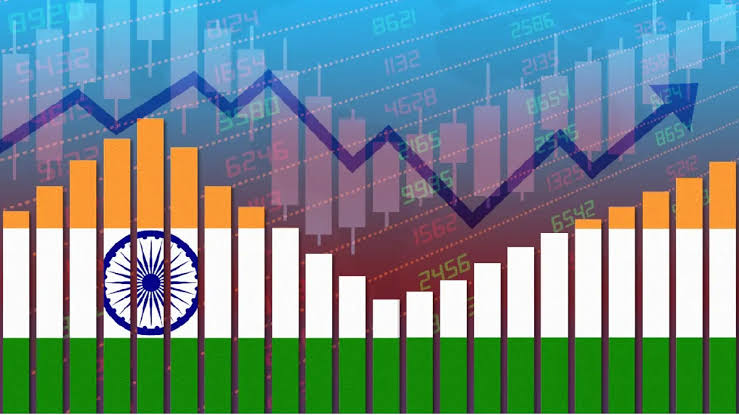
More than just data, India’s rise to the third-largest economy in the world is a result of decades of reform, tenacity, inventiveness, and economic potential. The Indian economy has overtaken global behemoths like Japan and Germany in PPP during the last few years, and it will soon overtake them in nominal GDP. However, what are the underlying causes of this sharp increase? Let’s peep into it further.
1. Liberalization and Economic Reforms
India’s economic reforms began in earnest in 1991 after the country was forced to reevaluate Its economy is based on the socialist model due to a financial balance of payments problem. Dr. Manmohan Singh, the Finance Minister at the time, took the India initiated far-reaching liberalization policies that opened up the economy for foreign investment, removed the shackles of key industries, and opened up the markets.
The License Raj, a convoluted system of permits & rules that stifled innovation & business, was abolished by these reforms. Consequently, industries like manufacturing, telecommunications, and IT started booming. The governments of the following decades carried on with the process of reform—privatization of public sector units, simplification of the tax code, and promotion of foreign direct investment (FDI).
2. Demographic Dividend
With a median age of about 28, India has one of the youngest populations in the world. This population dividend suggests an important, vibrant workforce is in place to propel productivity, consumption, & innovation.
The growing middle class in India has been especially important. Local spending, which now makes up roughly 60% of India’s GDP, has been stimulated by rising earnings. International brands and investors looking to put money into one of the fastest-growing marketplaces in the world are drawn to this consumer sector.
3. Digital Revolution and Tech Boom
India’s adoption of digital technologies has speeded up economic modernization and inclusion. Aadhaar, the largest biometric ID system in the world, issued a digital identity to more than a billion citizens, making public services, subsidies, and banking easier.
Digital payments have changed due to the rise of fintech companies and the unified payments Interface (UPI), with transactions becoming easy even at rural distances. This digital infrastructure has facilitated financial inclusion on a scale never seen before.
On the other hand, India’s information technology and software services sector, topped by the likes of Infosys, Wipro, and TCS is still an international behemoth. With a robust talent pool and low costs, India has emerged while the outsourcing hub of choice for international technology companies.

4. Infrastructure Development
Another support of India’s economic growth is its consistent emphasis on the development of infrastructure. Government’s ambitious programs like Bharatmala (roadways), Sagarmala (upgrading the port), and Smart Cities Mission are targeted at upgradation of India’s physical & urban infrastructure.
Over the past few years, India has greatly build up its road, rail, and air connectivity. Huge investments in urban infrastructure, renewable energy, and logistics have created employment opportunities, increased trade efficiency, and set the stage for growth.
5. Strategic Government Initiatives
Change-driven initiatives have been instrumental in defining the new India. Prime mover initiatives such as:
Make in India: Seeing India grow into a important international production location.
Startup India: Aims to promote innovation & entrepreneurship.
Raising labor competency to meet industry demands is the aim of Skill India.
Digital India: Encouraged the country to embrace e-governance, broadband adoption, and digital literacy.
All these initiatives have not only powered local growth but further pushed India to become more competitive globally.
6. Export Growth and Trade Diversification
India’s export industry has grown beyond traditional exports like textiles and jewelry to encompass industrial products, applications, chemicals, and pharmaceuticals. Actually, the pharmaceutical sector is sometimes called the “pharmacy of the world” due to its affordable generic drugs.
India has further been in the forefront in making trade alliances and build up relations with countries in Asia, Africa, and the Middle East. These initiatives have widened markets and reduced dependence on a single trading partner.
7. Strong Financial System
India’s financial system, while at times tested by non-performing assets & regulatory problems, has otherwise continued to be resilient. The Reserve Bank of India (RBI) has been instrumental in ensuring financial stability, managing inflation, and promoting digital banking.
With more local and international investors taking part, India’s stock markets are increasing quickly. Corporate expansion has been further stimulated by the deeper capital markets brought about by the rise of mutual funds & ordinary investors.
8. Emergence to be a Global Power
India’s financial power is still lagging behind its strategic importance. As a G20 member and major voice in international climate and trade talks, On multilateral platforms, India has taken on leadership roles.
Its strategic location in the Indo-Pacific, coupled with diplomatic engagement and defense alliances, has turned India into a major player in charting the next course of the global order.
Challenges That Lie Ahead
Despite its progress, India faces many challenges that could hinder its future development:
Regional disparities and income inequality are just acute severe has ever.
High unemployment rates continue to exist, especially between youth.
Agricultural dependence continues to plague a large part of the population.
Pollution and shortages of water are long-term challenges.
Regulatory hurdles and red tape can discourage entrepreneurs.
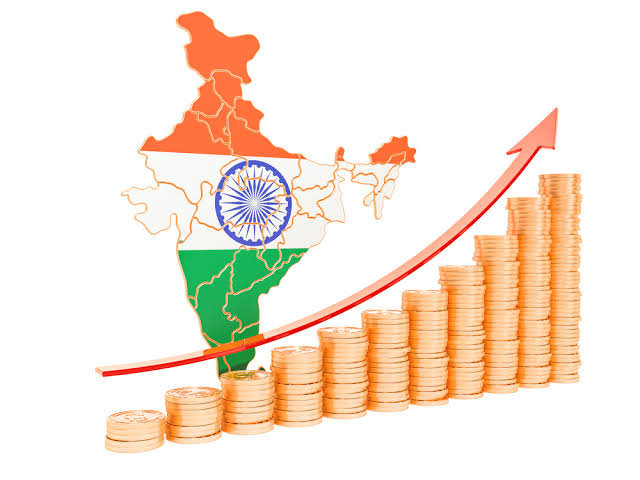
India must prioritize training for skills, sustainable development, and inclusive growth if it hopes to keep up its momentum.